Breaking Bad Habits Without Relapsing
Understand why habits stick and the science-backed strategies that actually work. Includes a framework for identifying triggers and replacing negative patterns with positive ones.

Why Breaking Habits Is Harder Than Starting Them
You’ve probably tried to quit something before. A habit you knew wasn’t helping — scrolling too much, staying up late, skipping workouts. You made it two weeks, maybe three. Then one day something stressful happened, and you fell back into the old pattern. Sound familiar?
Here’s the thing: your brain doesn’t want to change. Habits are neural pathways that have been reinforced thousands of times. They’re automatic, efficient, and your nervous system trusts them. When you try to break a habit, you’re essentially asking your brain to build an entirely new pathway while the old one is still screaming to be used.
The difference between people who actually break habits and those who keep relapsing? It’s not willpower. It’s understanding the mechanism — knowing exactly why you do what you do, and having a real plan to replace it with something better.

The Habit Loop: Understanding Your Triggers
Every habit follows a predictable pattern. When you understand it, you can interrupt it.
Trigger
Something happens that prompts the habit. It could be emotional (stress, boredom), environmental (being at home), or temporal (after dinner). Most people don’t know what their actual trigger is — they just know they “suddenly” want to do the thing.
Routine
The behavior itself. Checking your phone, eating junk food, procrastinating. This is the visible part of the habit — what everyone sees and what you feel guilty about. But it’s actually just the middle piece of a larger system.
Reward
The payoff your brain gets. Distraction from stress, a dopamine hit, a sense of relief. Your brain doesn’t care if the habit is “bad” — it only knows that this behavior produces a reward, so it keeps requesting it.
5 Strategies That Actually Stop the Relapse Cycle
Breaking a habit means changing one part of the loop. You don’t have to change all three at once. Here are the approaches that work.
Remove the Trigger
If you scroll too much when your phone’s on your desk, don’t keep it there. If you eat snacks when they’re visible, don’t buy them. This is the easiest intervention because you’re not fighting your own brain — you’re just making the trigger harder to encounter.
Substitute a Different Routine
Same trigger, different behavior. When stress hits and you want to scroll, do 10 pushups instead. When you’re bored after work, call a friend instead of opening the app. The key: the new routine needs to deliver a similar reward, or your brain won’t accept the trade.
Change Your Environment
Humans are creatures of context. If you’re trying to stop a habit you do at home, work somewhere else for a few weeks. Your brain won’t automatically trigger the routine in a new environment because the environmental cues aren’t there.
Build a 30-Day Replacement Window
It takes about 30 days for a new routine to feel even remotely automatic. Don’t expect the new behavior to feel natural or easy during this period. Your job is just to repeat the new routine every time the trigger appears — consistency matters more than perfection.
Track What Actually Matters
Don’t track perfection. Track whether you did the new routine when the trigger appeared. Missed it twice but succeeded eight times? That’s 80% success. That’s progress. Over weeks, you’re weakening the old pathway and strengthening the new one.
Why Relapse Happens (And How to Recover)
You’re doing great. Two weeks without the old habit. Then something unexpected happens — you get sick, have a conflict with someone, or just have a really stressful day. Your defenses are down. You slip back into the old pattern. And suddenly you’re thinking, “I’ve already failed, so why bother?”
This is the relapse trap. One lapse (a single instance of the old behavior) becomes a full relapse (returning completely to the old habit) because you interpret it as failure. Here’s what actually happens neurologically: stress activates your amygdala, which is the emotional center of your brain. It triggers the habit autopilot because habits are fast and automatic. Your prefrontal cortex — the part that makes conscious decisions — gets quieter when you’re stressed.
The fix isn’t to be perfect. It’s to have a relapse protocol. A specific plan for what you’ll do the moment you catch yourself slipping. Something like: “If I catch myself doing the old habit, I’ll immediately stop, take three deep breaths, and do the replacement routine twice in a row.” You’re essentially training your brain to recognize the slip and redirect it.

What to Expect: The Realistic Timeline
Breaking a habit isn’t linear. Here’s what typically happens week by week.
The Honeymoon Phase
You’re motivated. The old habit feels gross or wrong now. You might not even want it. This phase feels like you’ve got it figured out. You probably don’t. This is just novelty and willpower.
The Friction Peak
Motivation drops. The new routine still feels awkward. Your brain is lobbying hard to go back to the easy, familiar pattern. This is where most people quit. This is also where the real neural rewiring is happening.
The Shift
The new routine starts feeling easier. Not automatic yet, but you’re noticing you’re thinking about it less. You catch yourself doing the new behavior without consciously deciding to. The pathway is starting to take shape.
The New Normal
The new habit is becoming automatic. You’re not white-knuckling it anymore. Stress might still trigger an urge for the old behavior, but you’re not actually doing it. The old pathway is getting weaker from disuse.
Your Action Plan: Start This Week
Stop waiting for the perfect moment. You don’t need a Monday or a new month. You need clarity and a concrete first step.
Day 1: Identify Your Loop
For the next 3 days, notice when the habit happens. Write down: What triggered it? (Emotion? Time? Place?) What reward did you get? (Distraction? Relief? Pleasure?) Don’t try to change anything yet. Just observe.
Day 4: Choose Your Strategy
Pick ONE of the five strategies above. Not all five. One. If removing the trigger is realistic, do that. If not, choose a replacement routine. Make it specific: “When I feel like scrolling at 9pm, I’ll make tea and read for 10 minutes instead.”
Day 5-35: Track and Adjust
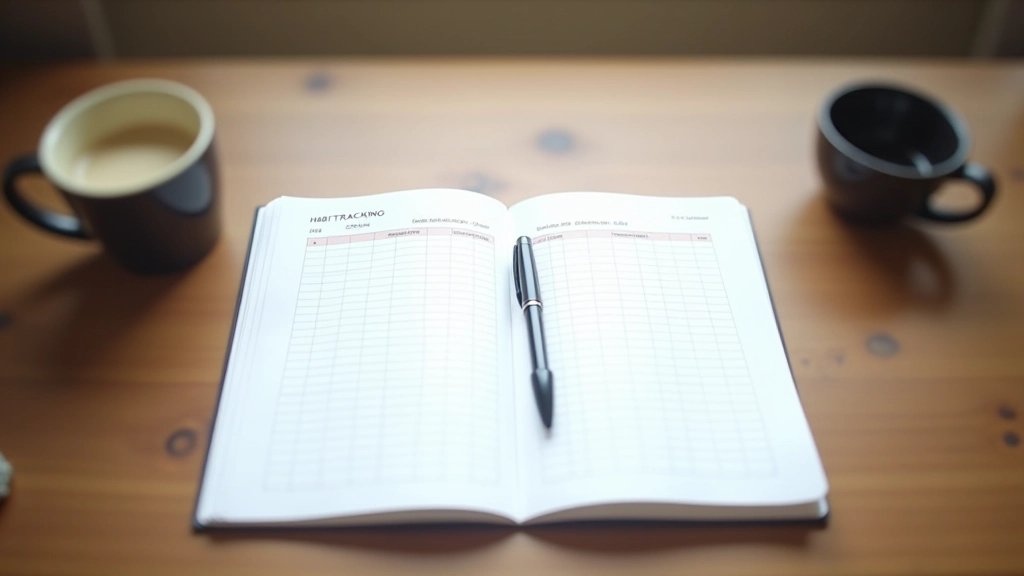
Put a checkmark on a calendar every day you execute the new routine. Some days you’ll miss it. That’s okay. The goal is 70% consistency in the first month. By week 5, you’re aiming for 80%. Don’t aim for perfection — aim for progress.
Your Relapse Protocol
Write this down right now: “If I slip and do the old habit, I will [specific action] within 10 minutes.” Example: “If I scroll for more than 15 minutes, I’ll immediately close the app and go for a walk.” Have it ready before the slip happens.
The Habit You Break Becomes Proof You Can Change
Breaking a bad habit isn’t really about the habit. It’s about proving to yourself that you’re not stuck. That automatic patterns can be rewired. That you have more control over your own brain than you thought.
The first time you successfully break a habit, something shifts. The second time is easier. By the third time, you’ve internalized the process. You’re not just breaking habits — you’re building a different relationship with yourself. You’re someone who can identify a pattern, design a solution, and execute it even when it’s uncomfortable.
That’s not willpower. That’s skill. And like any skill, it gets better with practice. So start this week. Pick one habit. Follow the framework. Track your progress. And give yourself 12 weeks before you expect to feel truly different.
Ready to dive deeper into habit formation?
Read: The 30-Day Habit Stacking Method
About This Content
This article is informational and educational in nature. The strategies and frameworks described are based on established habit formation research, but individual results vary. If you’re struggling with habits related to substance use, severe anxiety, or compulsive behaviors, please consult with a mental health professional or medical provider who can assess your specific situation. This content isn’t a substitute for professional guidance.